
Our History
A Legacy of Community, Service, and Remembrance
A Legacy of Community, Service, and Remembrance
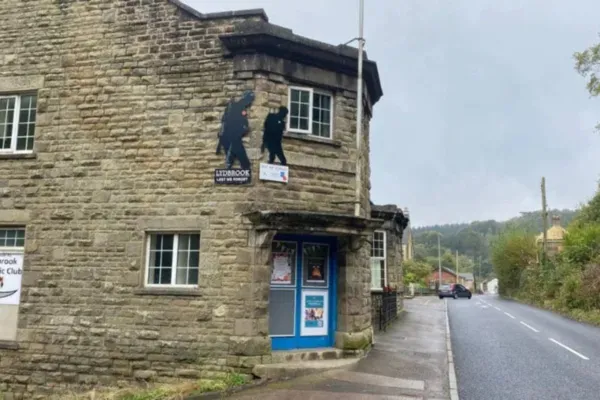
Lydbrook Memorial Hall stands as a testament to the enduring spirit of our community. Built to honour those who served and sacrificed, our hall has been the heart of Lydbrook for generations, hosting countless celebrations, gatherings, and moments that have shaped our village.
From its foundation to the present day, the hall has evolved while maintaining its core mission: to serve as a welcoming space where the community comes together.
At a public meeting, on 1st March 1919, people of the village of Lydbrook decided that the best way to commemorate the bravery of the men from the village who had served and sacrificed for their country during the Great War, was to erect an Institute.
The estimated cost of the scheme at the time was £3,500 but building work started even before funds were fully raised.
The idea was initiated by the local Men’s Institute assisted by the Women’s Institute, who were considering acquiring their own building. With funds from these two organisations, the United Services Fund, The Miners’ Welfare Fund, and public subscriptions, a building and land known as ‘The Poplars’ was bought in 1920.
Building work began in 1925, and on 12th November 1926 the Lydbrook Memorial Hall was formally opened by Captain Angus Buchanan, V.C., who was presented with a silver key by the architect.
The ceremony was attended by a huge crowd who spilled out onto the road. And the local Onward Brass Band played, as the Girl Guides unveiled the Union Jack.
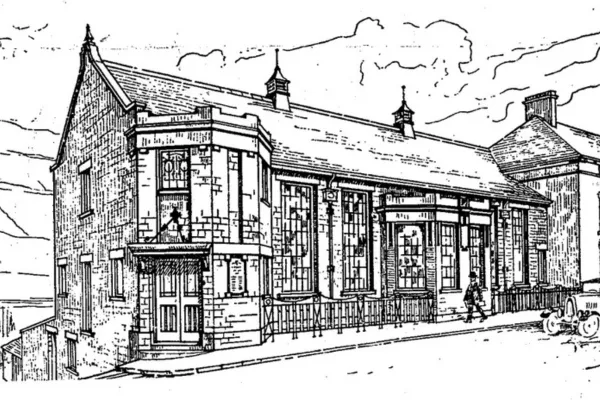
In its early days, the Hall served as a versatile community hub, even doubling as a local cinema thanks to a projection balcony situated above the entrance. Residents enjoyed screenings like the musical romance `Marry Me` in November 1933. Beyond entertainment, the Hall was a regular meeting place for both the Men’s and Women’s Institutes.
A poignant moment in its history occurred on August 15, 1948, when General the Lord Ismay unveiled the War Memorial Tablet honoring those lost in both World Wars. Led by the Onward Silver Band, a parade marched through the village to mark the dedication, ushering in an era of vibrant community activity for the facility.
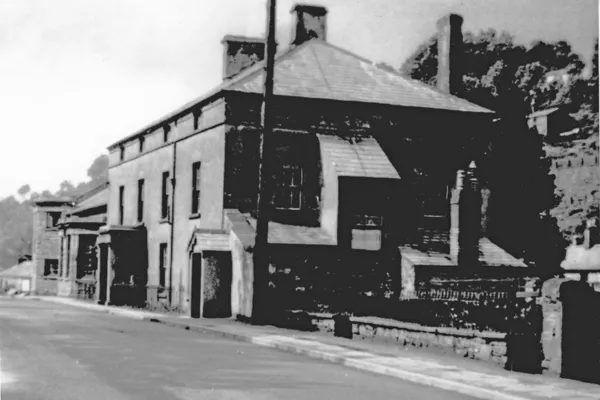
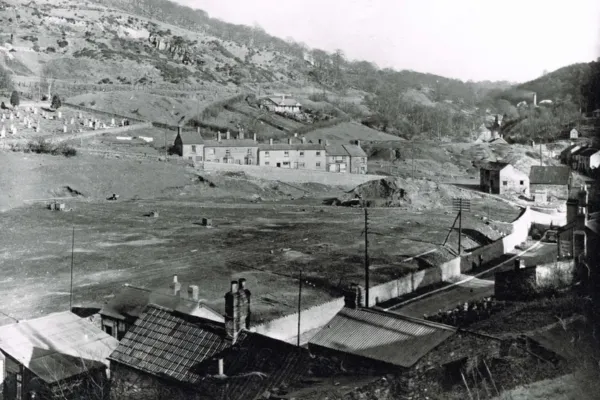
On 25th July 1934 a public meeting was held in the Hall, chaired by Mr Sidney Miles, headmaster of the school. He called on local people to help remove the eyesore known as the Blue Mound, which had stood as an ugly monument to local industry, overlooking a large part of the village, for nearly half a century.
After some discussion, it was decided that voluntary work would clear the heap; all 30,000 tons of mine waste, to make room for a recreation field to serve the needs of local children and sports players. Up to this point, those who wanted to play cricket, football, tennis, etc, had to take to small boats and cross the river to a facility on the other side. And children had to play at the roadside or in old abandoned quarries.
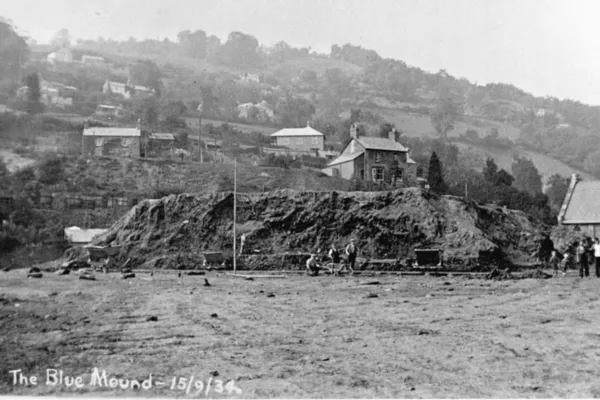
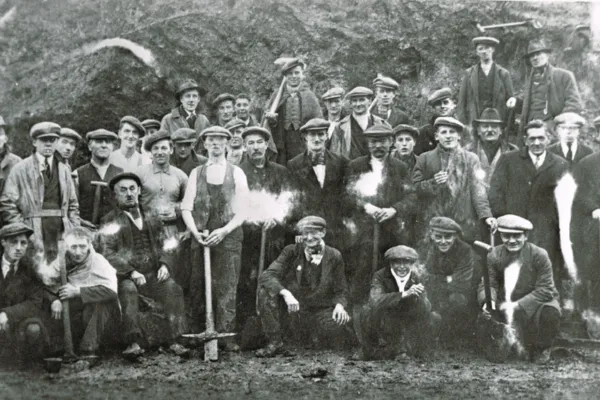
Work began just three days later on July 28th - a testament to the village's remarkable sense of urgency. An extraordinary workforce of nearly 300 volunteers emerged, including 62 unemployed, 146 part-employed, and 87 fully employed residents. The effort bridged generations, with the youngest labourer just 8 years old and the eldest 85; some dedicated as many as 300 hours to the cause. While the British Legion provided funds for picks and shovels, Cannop Colliery supplied the carts needed to haul the debris.
The work was grueling, as decades of weathering had turned the waste into a stubborn, solid mass. Though winter forced a brief hiatus, the volunteers returned in early 1935, finally banishing the last of the "Blue Mound" by the end of June.
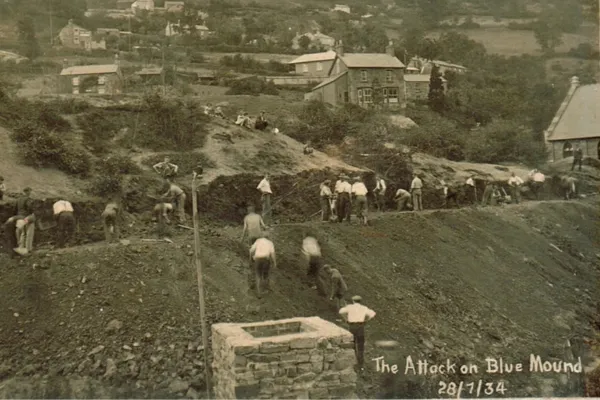
The transformation of the site was a monumental engineering feat. To manage the River Lyd, volunteers dug a 600-foot conduit, reaching depths of 45 feet. Funding for the land purchase came from a £107 surplus held by the "Welcome Home" committee—originally raised for WWI servicemen—supplemented by grants from the National Playing Fields Association. To stabilise the three-acre site, massive retaining walls were built using stone donated by the Forestry Commission. The largest of these was a staggering 180 feet long and 23 feet high, with a four-foot-thick base to prevent the hillside from collapsing.
When the grounds finally opened after three years of labour, they became a vibrant community hub. While the original plans included a pavilion and sports pitches, the opening focused on the children’s joy, featuring swings, a chute, rocking boats, and "ocean waves."
However, seven years of history took its toll. Following a severe storm and the installation of a new water main, the great walls began to crack. Deemed unsafe and fenced off for a year, the site sadly fell into disrepair, becoming a target for fly-tipping and abandoned cars. Recovery began when the Lydbrook Athletic Club secured a new lease on their premises within the Hall. The committee removed the dilapidated play equipment to make way for future improvements, and the unstable wall was finally lowered and regraded into a grassy bank. Completed in eight months, this restoration stabilised the area and greatly improved the view facing the Jovial Colliers.
Today, the committee remains dedicated to preserving this legacy while adapting to modern challenges. Current efforts are focused on repairing or replacing the historic iron fencing to protect the grounds from boar incursions.
Work is already progressing; portions of the wall have been lowered to improve visibility for drivers and pedestrians navigating the difficult corner at Church Road. These ongoing improvements aim to ensure the Recreation Ground remains both a beautiful and practical asset for the village.
Acknowledgements: This history was compiled through the diligent work of the Lydbrook Historical Society and curated by Mrs. Lyn Walker, to whom we owe a debt of gratitude. While every effort has been made to respect intellectual property, the origin of some photographs remains unknown. If you hold the copyright to any image or wish for one to be removed, please contact the site curator via our "Contact" page.
Looking Ahead Lydbrook Memorial Hall and the Recreation Ground stand as enduring tributes to our community’s resilience. Our current trustees are committed to bringing these facilities up to 21st-century standards - a task that requires significant time, labor, and funding. The volunteers leading these efforts do so in their own time, fueled by a desire to honor the soldiers, miners, and residents whose hard work first made these grounds a reality.
"This hall stands as a living memorial to those who gave their service and sacrifice for our freedom. Their legacy lives on in every gathering, every celebration, and every moment of community that takes place within these walls."
We honour the memory of all those from Lydbrook and the surrounding areas who served in times of conflict. Their courage and dedication continue to inspire us.
Join us in continuing the legacy of Lydbrook Memorial Hall. Whether you're planning an event or want to support our community space, we'd love to hear from you.